August 30th
Packaging Machines for Specific Types: Shrink Wrapping & Vacuum
Packaging machines are essential for various packaging needs, from shrink-wrapping to vacuum sealing. These machines not only enhance product presentation but also improve preservation and extend shelf life. In this article, we will delve into shrink-wrapping machines, offering detailed guides and best practices, and explore the benefits of vacuum packaging machines in preserving freshness and quality.
Shrink Wrapping Machines: What You Need to Know
1. Understanding Shrink Wrapping Technology
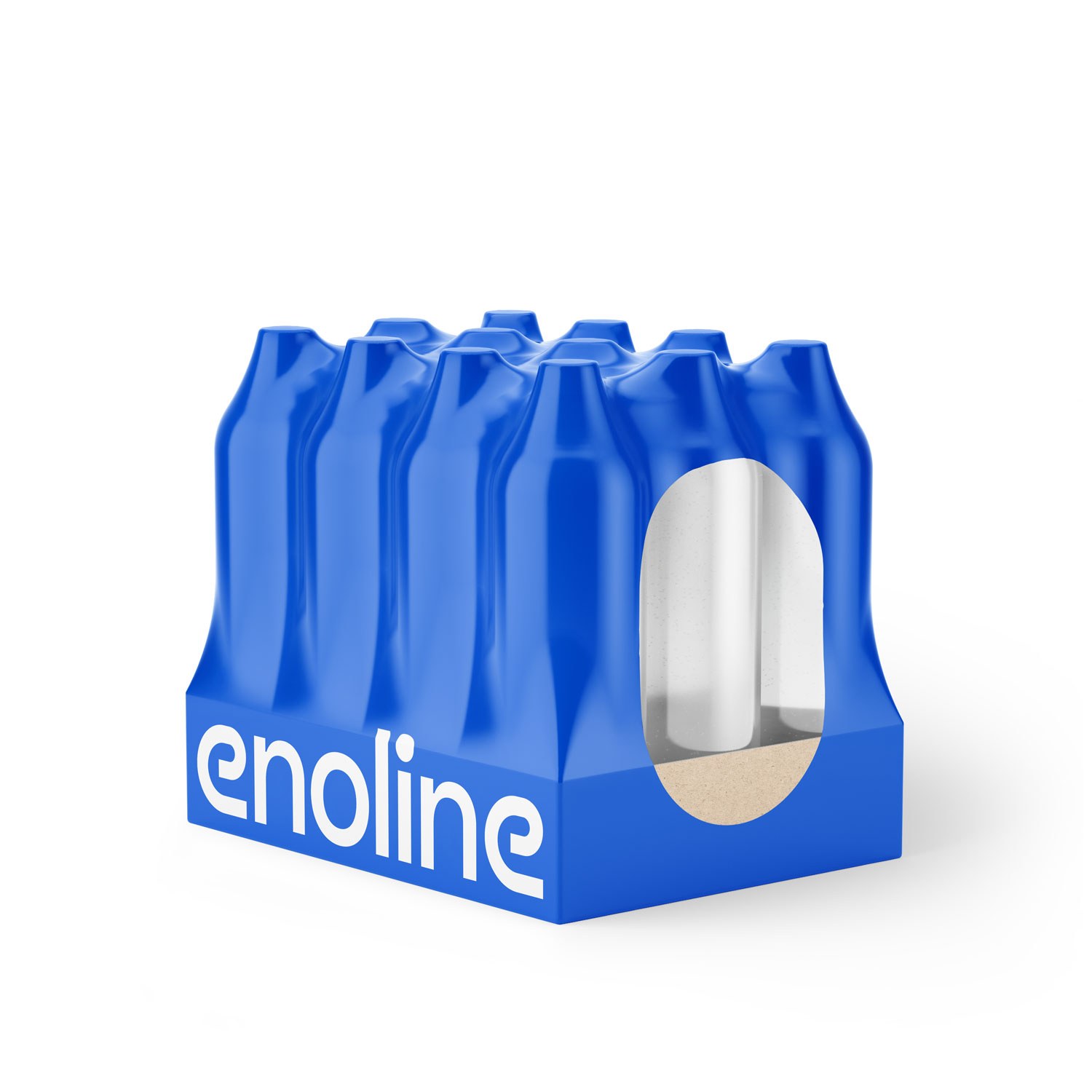
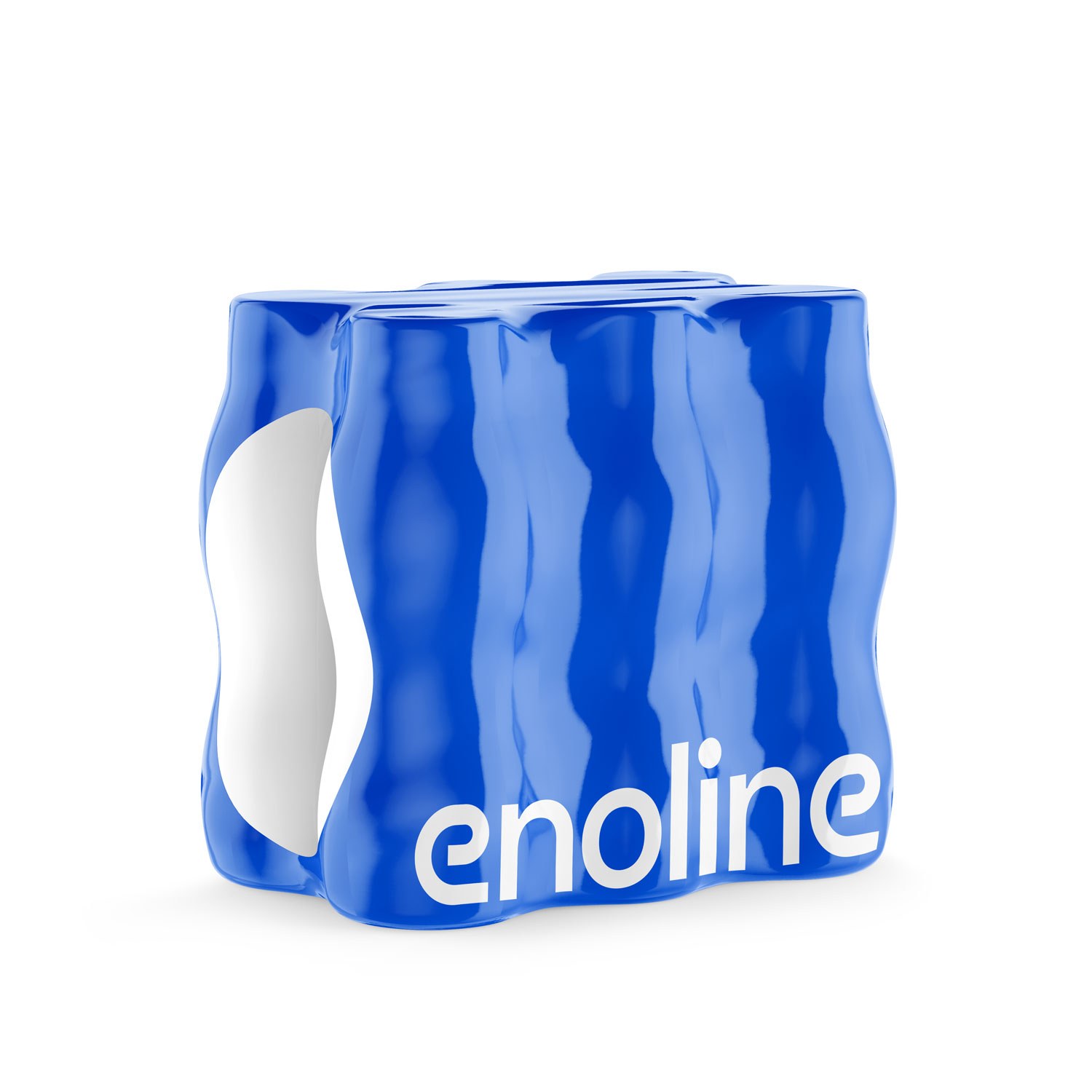
Shrink wrapping is a popular packaging method that involves enclosing products in a plastic film, which is then heated to shrink tightly around the item. This process provides a secure and tamper-evident package, making it ideal for a wide range of products. Shrink-wrapping machines use heat tunnels and shrink films to achieve a tight seal, offering protection and enhancing the product's visual appeal.
2. Types of Shrink Wrapping Machines
There are several types of shrink-wrapping machines, each designed to meet specific needs: - Manual Shrink Wrappers: Suitable for small-scale operations and occasional use. They require manual feeding of products and typically use a heat gun or oven.
- Semiautomatic Shrink Wrappers: Ideal for moderate production volumes, these machines automate the sealing process but require manual loading and unloading of products.
- Automatic Shrink Wrappers: Designed for high-volume production, these machines automate the entire process, including feeding, sealing, and shrinking.
3. Best Practices for Shrink Wrapping
To ensure optimal results with shrink-wrapping, follow these best practices: - Choose the Right Film: Select a shrink film that is compatible with your product and machine. Common types include PVC, PE, and PP films.
- Maintain Proper Temperature: Ensure that the heat tunnel or oven is set to the correct temperature to avoid over or under-shrinking.
- Ensure Proper Sealing: Verify that the seal is tight and free from wrinkles or gaps to prevent tampering and maintain product freshness.
- Regular Maintenance: Perform regular maintenance on the machine to keep it running smoothly and efficiently.
Vacuum Packaging Machines: Preserving Freshness and Quality
1. Benefits of Vacuum Packaging
Vacuum packaging is a method used to remove air from the package before sealing, which helps in preserving the freshness and quality of the product. This technique is particularly effective for food products, as it prevents spoilage, oxidation, and contamination. Vacuum packaging also extends shelf life and reduces food waste.
2. Types of Vacuum Packaging Machines
Vacuum packaging machines come in various types, catering to different needs: - Chamber Vacuum Sealers: These machines are ideal for high-volume applications and work by placing the product inside a chamber where the air is evacuated before sealing.
- External Vacuum Sealers: Suitable for smaller operations, these machines work by vacuuming air from a bag placed outside the machine.
- Continuous Band Sealers: These are used for high-speed, continuous vacuum sealing and are ideal for large-scale production environments.
3. Key Features to Consider
When choosing a vacuum packaging machine, consider the following features: - Seal Quality: Ensure that the machine provides a strong and reliable seal to prevent air from entering the package.
- Ease of Use: Look for machines with user-friendly controls and features that simplify operation and maintenance.
- Size and Capacity: Select a machine that fits your production volume and space requirements.
- Maintenance and Support: Choose machines from reputable manufacturers who offer good customer support and easy access to spare parts.
4. Applications of Vacuum Packaging
Vacuum packaging is used across various industries, including: - Food Industry: For preserving meats, cheeses, and other perishable items.
- Medical Industry: For packaging sterile medical supplies and equipment.
- Retail Industry: For packaging products such as electronics and textiles to protect them during transportation and storage.
Conclusion
Shrink wrapping and vacuum packaging are crucial for ensuring product protection, preservation, and presentation. Understanding the various types of machines available and following best practices can help optimize your packaging operations. By selecting the right machine and implementing effective techniques, you can enhance product quality, extend shelf life, and improve overall efficiency in your packaging processes.
Let us find the best packaging machine for your company !