March 23rd
Flexible Packaging: The Benefits for Your Business
Flexible packaging has become a popular choice for businesses across a variety of industries, from food and beverage to pharmaceuticals and cosmetics. The flexibility and durability of this packaging type make it an attractive option for businesses of all sizes. In this article, we’ll explore the benefits and advantages of flexible packaging and why it might be the right choice for your business.
We are here to help you chose the perfect flexible packaging machine you need, contact us for a fast and free quote !
What is Flexible Packaging?
Flexible packaging is a type of packaging that is made of flexible materials, such as plastic films, aluminum foils, and paper. This packaging type can be formed into a variety of shapes and sizes, depending on the product it is intended to hold. Flexible packaging is often used for food products, such as snacks, frozen foods, and ready-to-eat meals. It is also used for non-food products, such as pet food, pharmaceuticals, and personal care items.
You can also have flexible packaging solutions, meaning the ability of the machine to accommodate multiple product shapes and sizes. We have a wide range of smart packaging solutions that are flexible. Contact us to learn more.
The Benefits of Flexible Packaging
Flexible packaging offers many benefits and advantages over traditional rigid packaging. Here are some of the most important advantages:
Cost-Effective : Flexible packaging is often more cost-effective than rigid packaging. This is because flexible packaging requires less material and is easier and cheaper to transport. The lightweight and compact nature of flexible packaging also means that more product can be shipped in a single shipment, reducing shipping costs.
Durability : Flexible packaging is designed to be durable and strong, protecting the contents from damage during transport and storage. Many flexible packaging materials are also puncture-resistant, preventing the contents from leaking or spilling.
Convenience : Flexible packaging is convenient for both businesses and consumers. It is easy to open and close, making it ideal for products that are consumed over time, such as snacks or pet food. Flexible packaging can also be resealed, keeping the product fresh and reducing waste.
Customization : Flexible packaging can be customized with a variety of designs and printing options. This allows businesses to create packaging that reflects their brand and appeals to their target audience. Customized packaging can also help businesses to stand out on store shelves.
Sustainability : Flexible packaging is often more sustainable than rigid packaging. This is because it requires less material and energy to produce and transport. Many flexible packaging materials are also recyclable, reducing waste and conserving resources.
Choosing the Right Flexible Packaging for Your Business
There are many different types of flexible packaging to choose from, depending on your product and its requirements. Here are some of the most popular types of flexible packaging:
Stand-Up Pouches : Stand-up pouches are a popular choice for food products, such as snacks and confectionery. They are lightweight, easy to transport, and can be customized with a variety of designs and printing options.
Retort Pouches : Retort pouches are designed to withstand high temperatures and pressures, making them ideal for products that require sterilization, such as ready-to-eat meals and pet food.
Vacuum Pouches : Vacuum pouches are designed to remove air from the packaging, creating a vacuum-sealed environment that keeps the product fresh for longer. They are often used for fresh meats and cheeses.
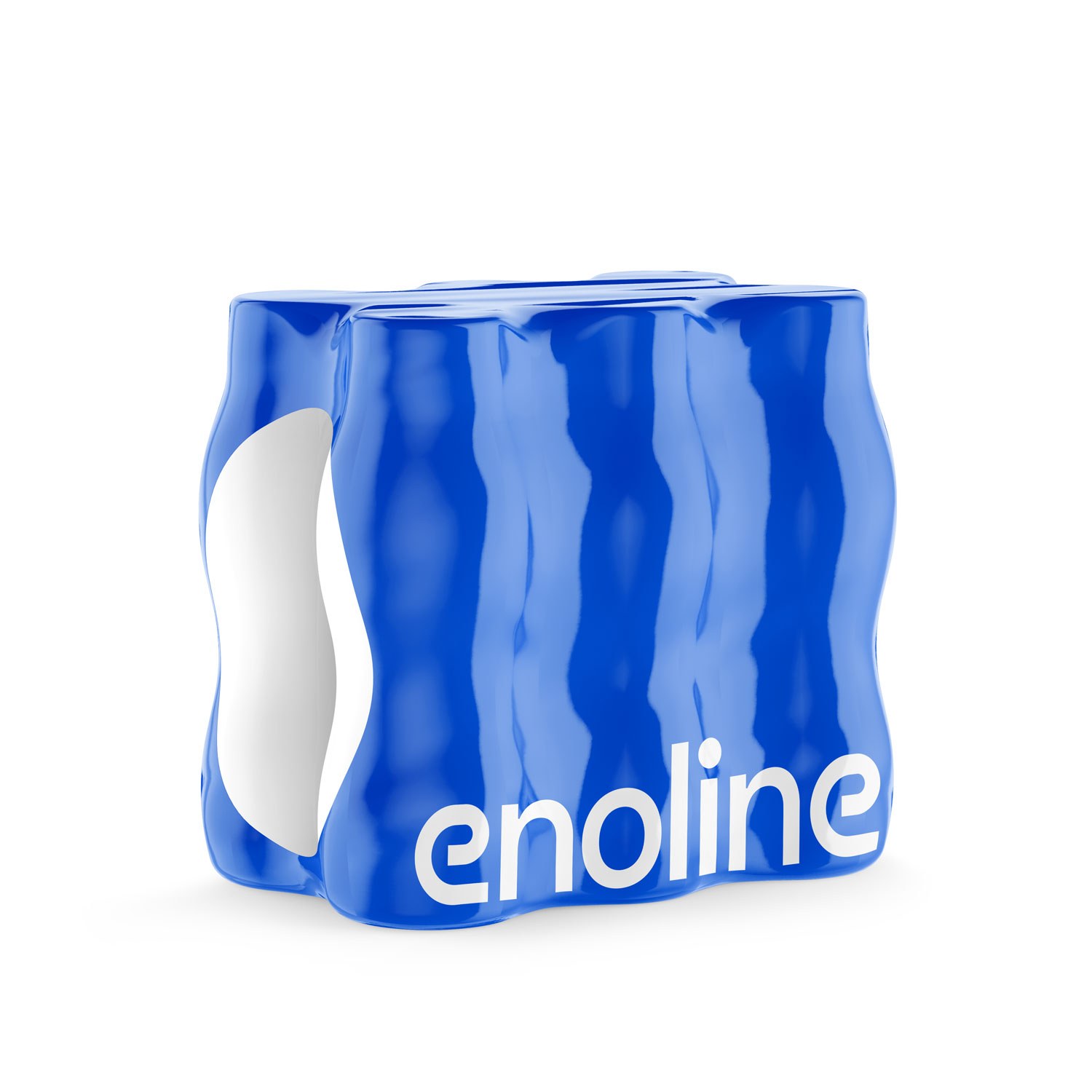
Shrink Sleeves : Shrink sleeves are a popular choice for beverage bottles and cans. They are printed with high-quality graphics and shrink thanks to a shrinking tunnel to fit the shape of the container, providing a 360-degree branding opportunity.
You can learn more about shrink wrappers if you read our article here !
Conclusion
Flexible packaging offers many benefits and advantages for businesses of all sizes. From cost-effectiveness to convenience and customization, flexible packaging can help businesses to improve their bottom line and stand out in a crowded marketplace. By choosing the right type of flexible packaging for your product.
FAQs
1. What types of products are suitable for flexible packaging?
Flexible packaging is suitable for a wide range of products, including food and beverage products, pharmaceuticals, cosmetics, pet food, and personal care items.
2. Is flexible packaging environmentally friendly?
Flexible packaging is often more sustainable than rigid packaging. It requires less material and energy to produce and transport, and many flexible packaging materials are recyclable, reducing waste and conserving resources.
3. What are the different types of materials used for flexible packaging?
Flexible packaging can be made of various materials such as plastic films, aluminum foils, paper, and laminates of these materials. Each material offers unique characteristics and benefits, making it suitable for different products and applications.
4. Is flexible packaging safe for food products?
Flexible packaging is safe for food products as long as it meets the necessary regulations and standards for food contact. Food-grade materials are used for packaging food products, ensuring that they are safe and do not pose any health risks.
5. Can flexible packaging be reused or recycled?
Many flexible packaging materials can be recycled, reducing waste and conserving resources. Some materials, such as plastic films, can also be reused or repurposed for other applications.
6. How does flexible packaging compare to traditional rigid packaging?
Flexible packaging offers many advantages over traditional rigid packaging, including cost-effectiveness, durability, and customization options. It also requires less material and energy to produce and transport, reducing its environmental impact.
7. What factors should I consider when choosing flexible packaging for my product?
When choosing flexible packaging for your product, you should consider factors such as the type of product, its shelf life, transportation requirements, and customer preferences. You should also ensure that the packaging meets all necessary regulations and standards for your industry.
let us find the best packaging solution for your products and business !