March 20th
Streamline Your Packaging with Enoline Automated Systems
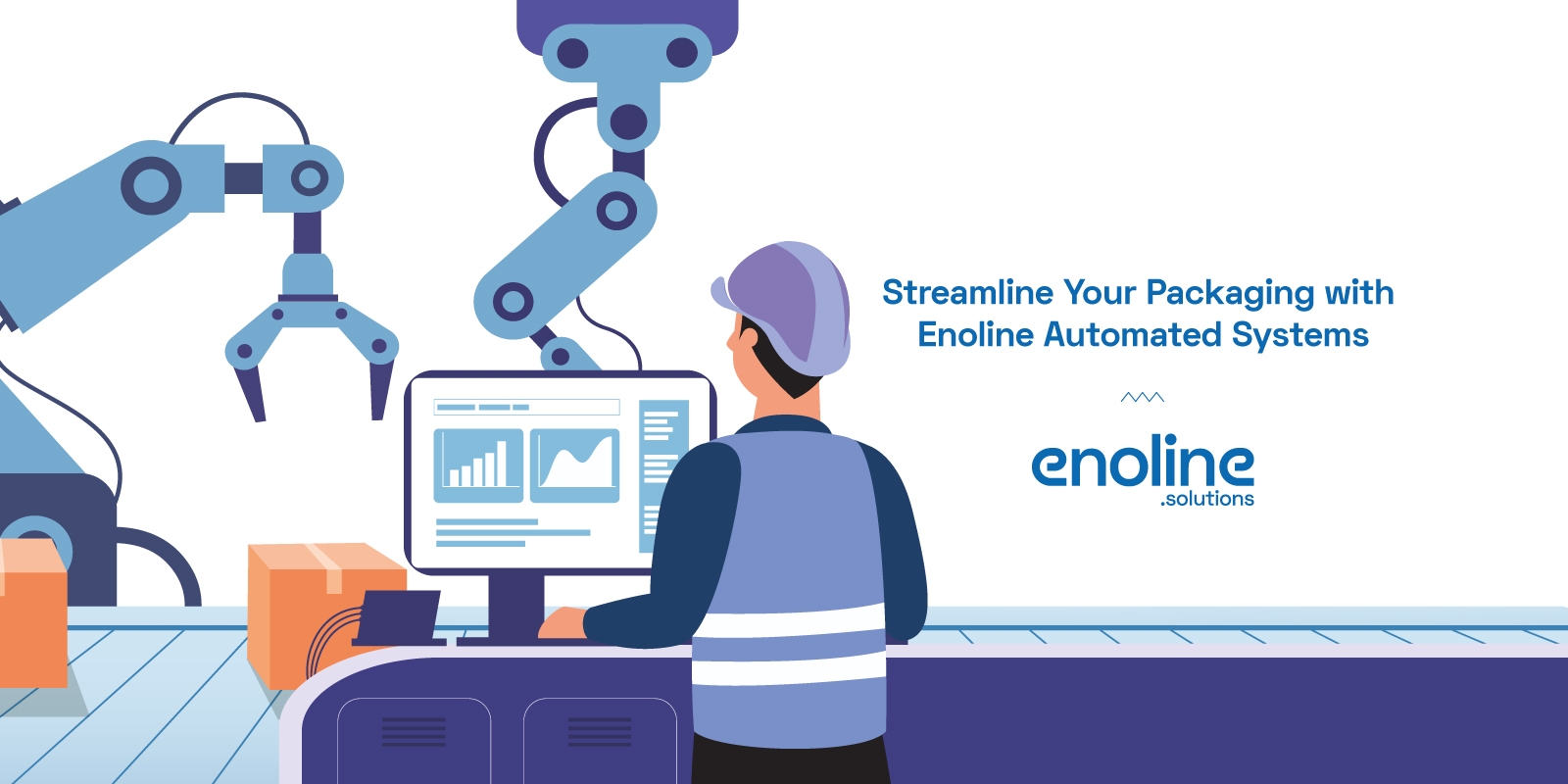
In today's fast-paced world, businesses are constantly looking for ways to optimize their operations and increase efficiency. One area where this is particularly evident is in packaging and shipping. The use of automated packaging systems has become increasingly popular in recent years, offering numerous benefits to companies looking to streamline their operations.
In this article, we'll explore what automated packaging systems are, how they work, and the benefits they can provide.
We are here to help you chose the perfect packaging machine you need, contact us for a fast and free quote !
What is an Automated Packaging System?
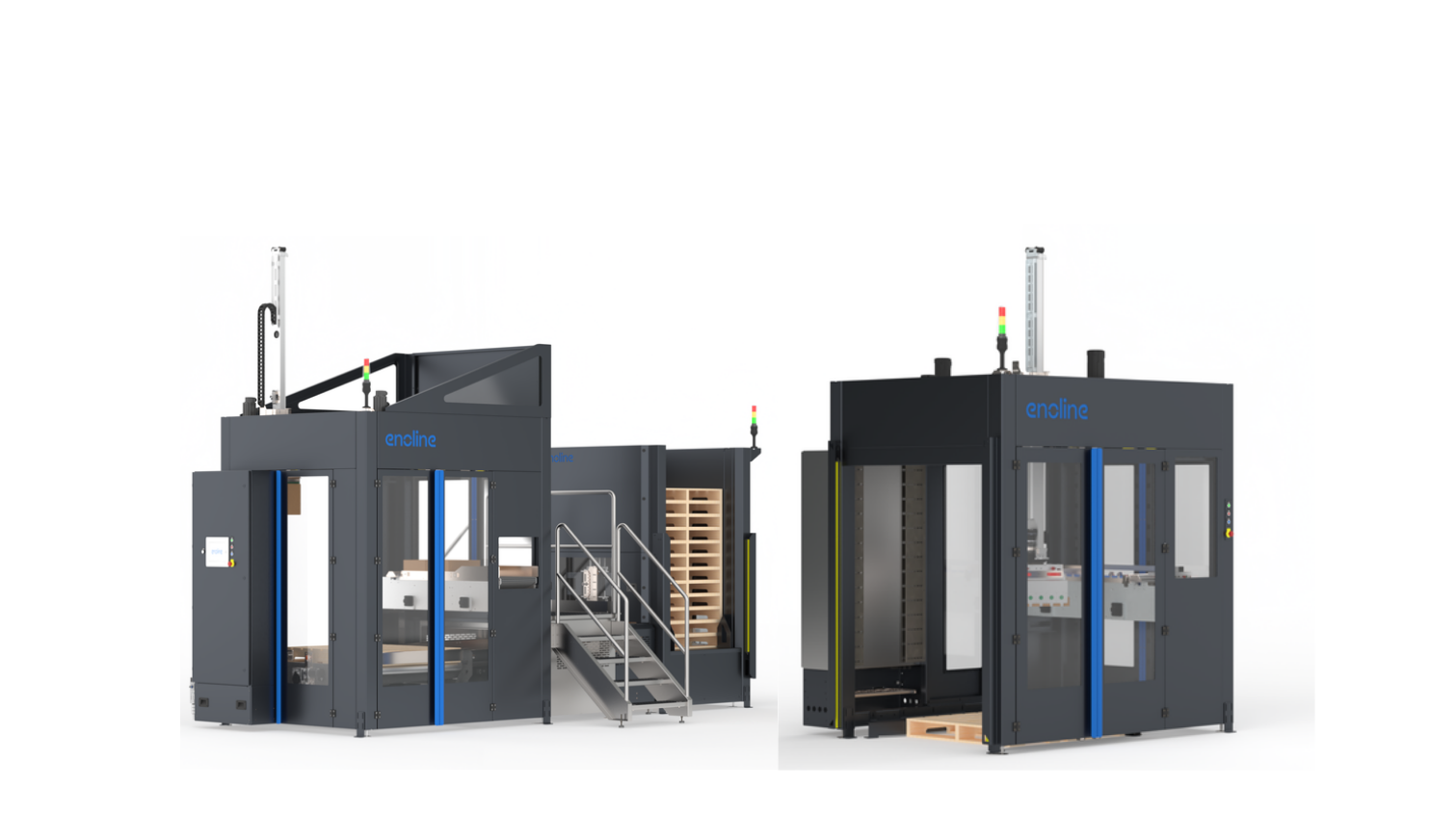
An automated packaging system is a piece of equipment that automates the packaging process. These systems typically include machines that can perform tasks such as product counting, filling, sealing, labeling, and even palletizing. They can be customized to handle a variety of products and packaging materials, and can operate at high speeds to keep up with demand.
How Do Automatic Packaging Systems Work?
Automatic packaging systems work by using a combination of sensors, mechanical components, and computer software to control the packaging process. The process typically begins with the product being loaded into the system, which is then automatically fed through a series of machines. These machines perform various tasks such as filling the product into the package, sealing it, and labeling it. Once the packaging process is complete, the package is then automatically ejected from the system and can be transported for shipping or storage.
Benefits of Automated Packaging Systems
There are numerous benefits to using automated packaging systems in your business, including:
Increased Efficiency and Speed : Automated packaging systems can operate at much higher speeds than manual packaging, allowing for a greater volume of product to be packaged in less time. This can help to increase productivity and reduce labor costs.
Consistency and Accuracy : Automatic packaging systems are designed to perform tasks with a high level of consistency and accuracy, ensuring that each package is filled and sealed to the same standard. This can help to reduce errors and improve the quality of the finished product.
Customization : Automated packaging systems can be customized to handle a wide range of products and packaging materials, making them a versatile solution for businesses of all sizes.
Reduced Waste : Automatic packaging systems can help to reduce waste by optimizing the use of packaging materials and minimizing the number of damaged or defective packages.
Improved Safety : Automated packaging systems can help to improve workplace safety by reducing the need for manual labor and minimizing the risk of injury.
Industries That Can Benefit from Automated Packaging Systems
Automatic packaging systems can be used in a variety of industries, including:
Food and Beverage : Automated packaging systems can help to improve the efficiency and consistency of food and beverage packaging, while also ensuring compliance with food safety regulations.
Pharmaceutical and Medical : Automatic packaging systems can help to ensure the accuracy and consistency of pharmaceutical and medical packaging, while also providing a high level of security and traceability.
E-commerce and Retail : Automated packaging systems can help to streamline the packaging and shipping process for e-commerce and retail businesses, allowing them to fulfill orders more quickly and efficiently.
Manufacturing : Automatic packaging systems can help to improve the efficiency of manufacturing operations by automating the packaging process and reducing the need for manual labor.
Types of Automated packaging systems
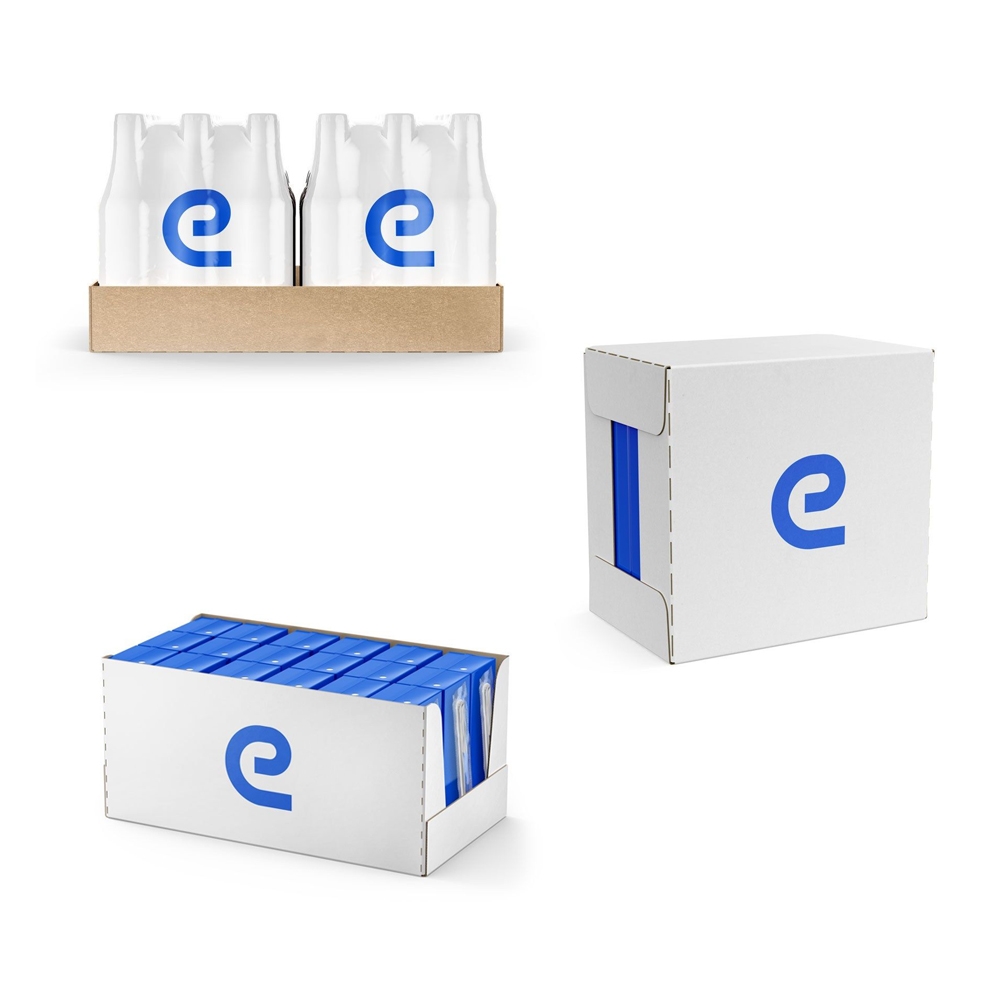
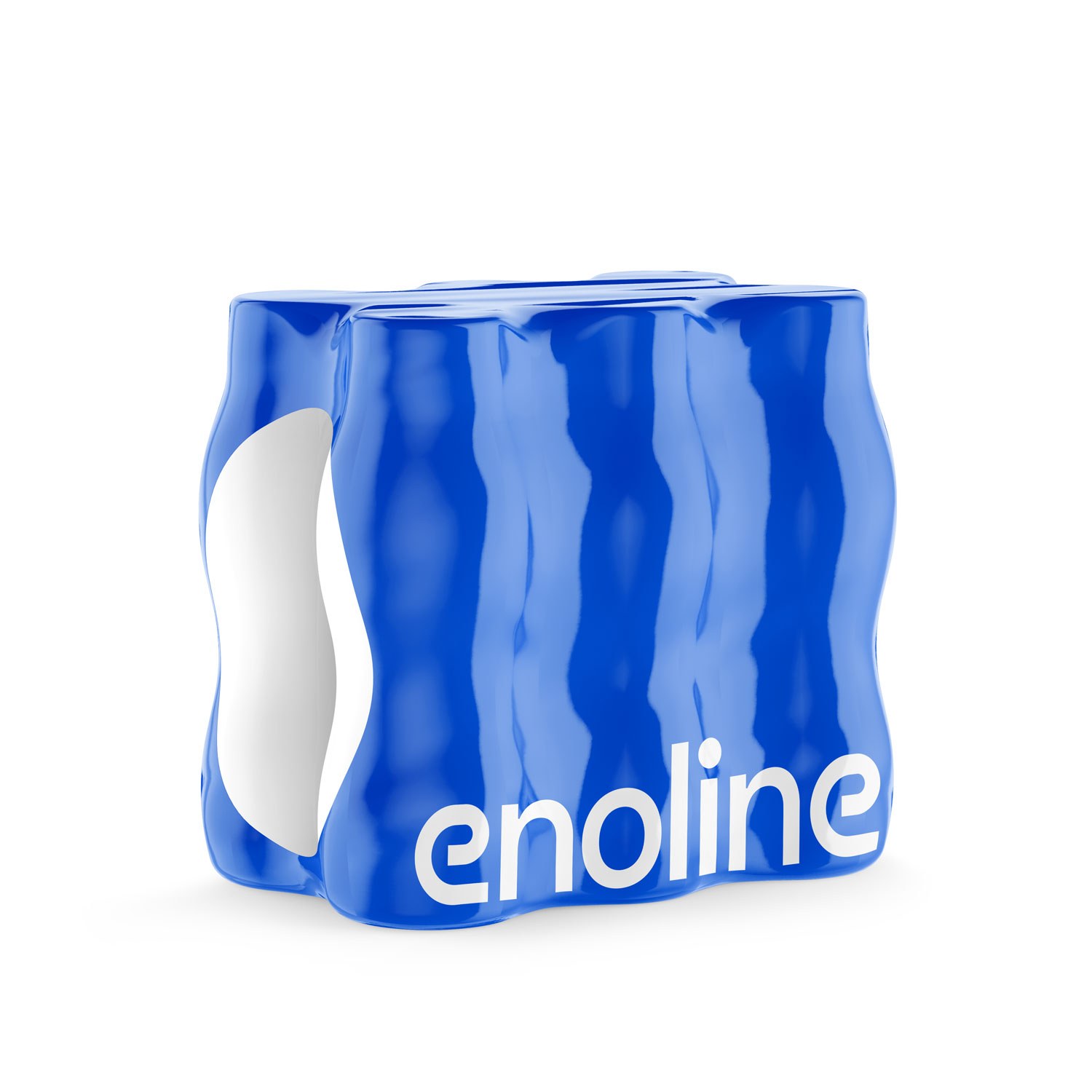
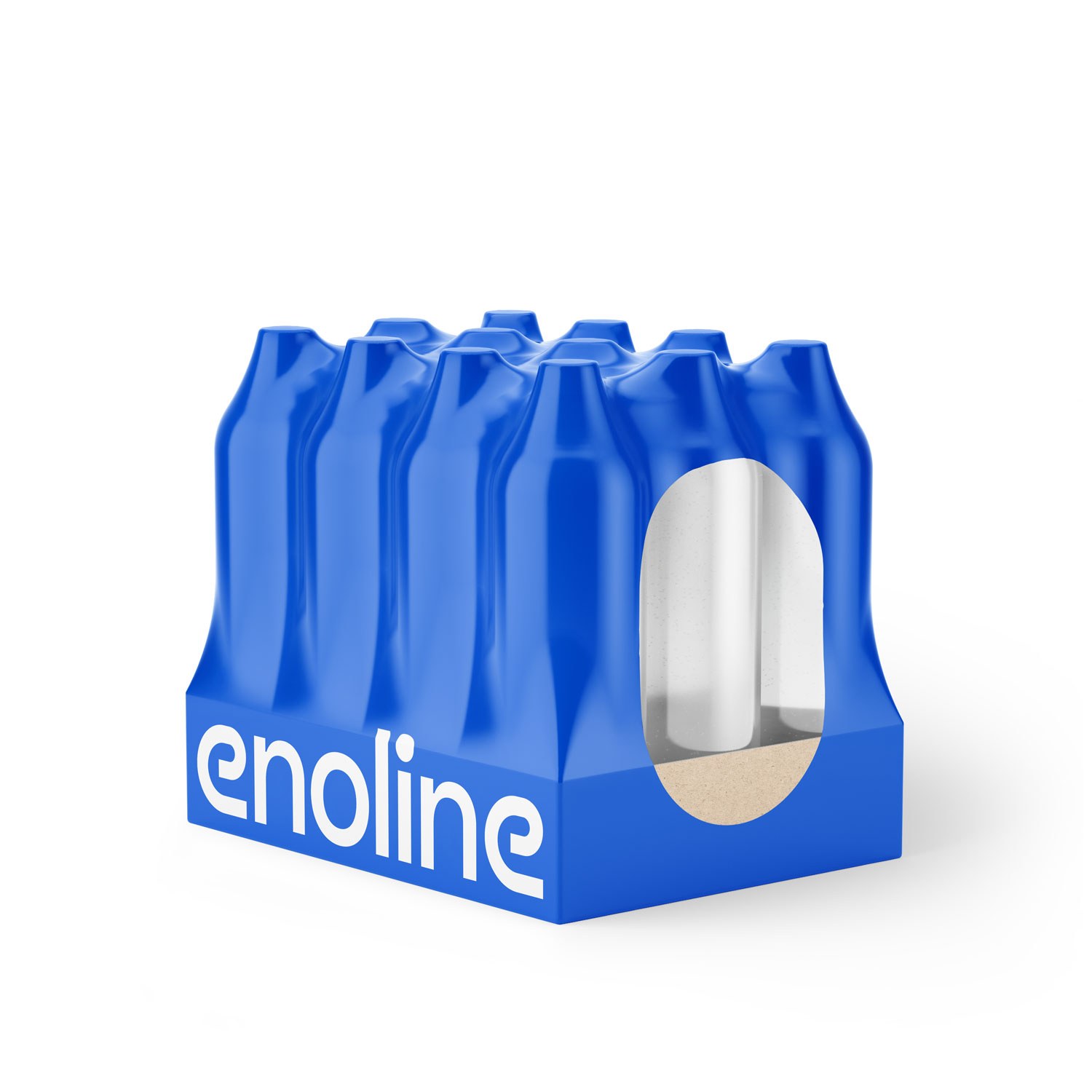
There are several types of automated packaging systems available on the market, each designed to meet specific business needs. Some common types of automated packaging systems include vertical form fill seal (VFFS) machines, which are used to create bags from flat rollstock; horizontal form fill seal (HFFS) machines, which create bags from pre-made pouches; and case packing systems, which automate the process of loading products into cases for shipping. Other types of automated packaging systems include shrink wrap machines, stretch wrap machines, and palletizing systems. The specific type of system used will depend on factors such as the type and size of the product being packaged, the required throughput speed, and the available floor space.
Conclusion
Automated packaging systems offer numerous benefits to businesses looking to optimize their packaging and shipping operations. By increasing efficiency, consistency, and accuracy, these systems can help to reduce labor costs, improve product quality, and boost overall productivity. As technology continues to advance, we can expect to see even more innovations in this field, further revolutionizing the way we package and ship products.
Enoline Solutions is a leading packaging line designer and integrator in North America that specializes in automated packaging systems. With a team of experienced engineers and technicians, we can help businesses of all sizes to optimize their packaging processes and increase efficiency. Our services include system design and integration, equipment selection and installation, as well as ongoing maintenance and support. Enoline’ customized solutions are tailored to each client's specific needs and can help to improve product quality, increase throughput, and reduce costs.
FAQs
1. How does an Automated Packaging System work?
An Automated Packaging System comprises several components, including conveyors, sensors, robotics, and software, which work together to automate the packaging process.
2. What are the advantages of using an Automated Packaging System?
The advantages of using an Automated Packaging System include increased efficiency, improved quality, cost-effectiveness, reduced waste, and flexibility.
3. How does an Automated Packaging System enhance sustainability?
Automated Packaging Systems reduce waste and can be customized to use eco-friendly materials, making them a more sustainable solution for the packaging industry.
4. Can an Automated Packaging System be used to package products of different shapes and sizes?
Yes, an Automated Packaging System can be customized to package products of various shapes and sizes, making it a versatile solution for the packaging industry.
5. Is an Automated Packaging System a cost-effective solution in the long run?
Yes, although the initial cost of setting up an Automated Packaging System can be high, it is a cost-effective solution in the long run as it reduces labor costs, eliminates the need for manual intervention, and increases the efficiency of the packaging process.
6. Are automated packaging systems expensive to implement?
While the upfront costs of implementing an automated packaging system can be significant, the long-term benefits can outweigh the initial investment.
7. Are automated packaging systems easy to maintain?
Automated packaging systems typically require regular maintenance to ensure optimal performance. However, many systems include self-diagnostic tools that can help to identify and resolve issues quickly.
8. Can automated packaging systems improve product safety?
Yes, automated packaging systems can help to improve product safety by ensuring compliance with safety regulations and minimizing the risk of contamination or other hazards.
9. Are automated packaging systems environmentally friendly?
Automated packaging systems can help to reduce waste by optimizing the use of packaging materials and minimizing the number of damaged or defective packages, making them a more environmentally friendly option than manual packaging processes.
Contact us now for a fast and free automatic packaging system quotation